Business
A Neighborhood Cinema Gets a Second Act — but Can a Facelift Anchor a Struggling Boulevard?
The $136,000 renovation of Atlas Lakeshore Cinema is the biggest project yet from Euclid's Storefront Renovation Program, testing whether façade upgrades can stabilize a fading commercial corridor.
By Staff · September 8, 2026
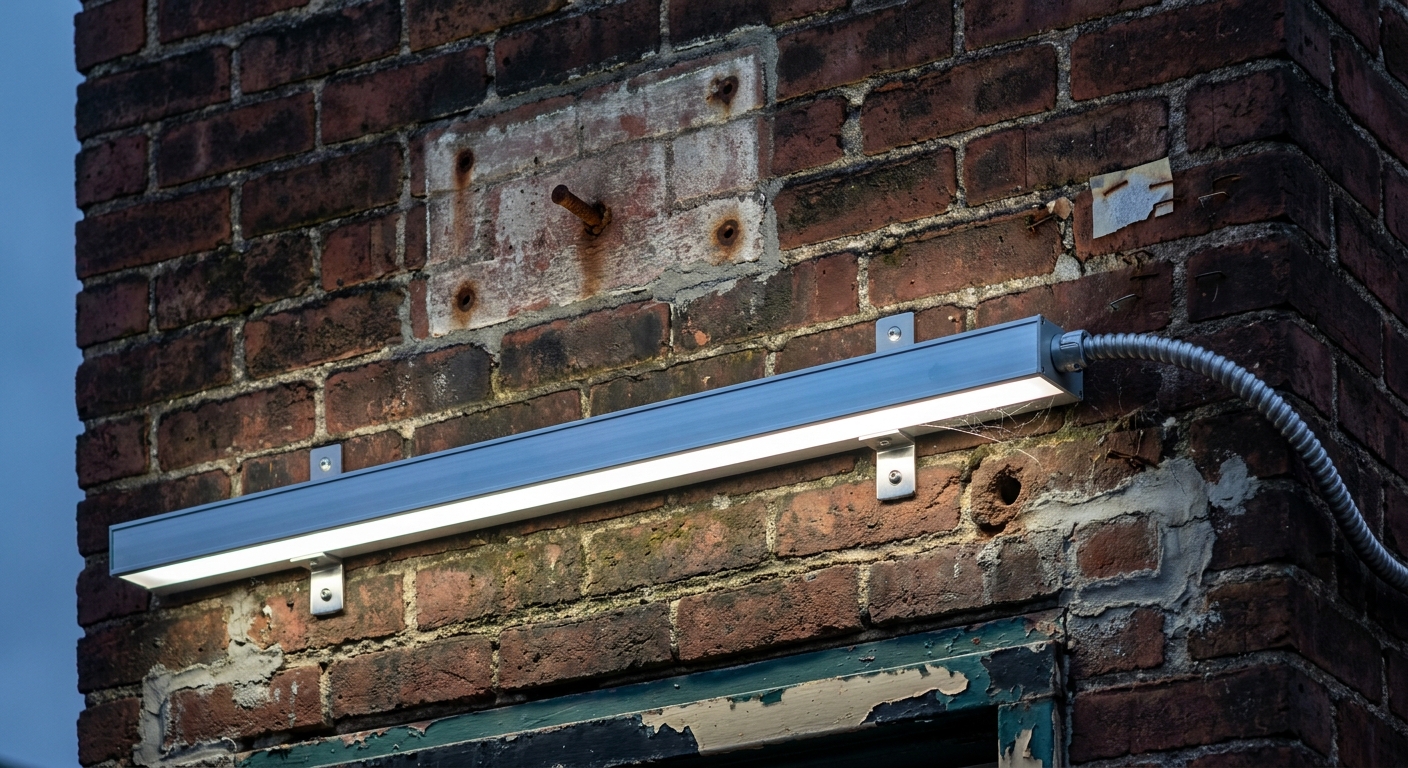
Atlas Lakeshore Cinema has a new marquee, fresh signage, and LED lighting glowing over Lakeshore Boulevard for the first time since the building's latest renovation wrapped up — roughly $136,000 worth of combined public investment and business contribution that transformed the exterior and spruced up the interior of one of Euclid's longest-running gathering places.
The project is the most visible result yet of the city's Storefront Renovation Program, and it raises a pointed question for the corridor: can fixing up what's already here actually stabilize a commercial strip that needs more than fresh paint?
What the Money Bought
The exterior work — marquee, signage, LED lighting — was funded through the city's CDBG-backed Storefront Renovation Program. Inside, at 22624 Lakeshore Blvd., the reception area and the fronts of theaters 1, 2, and 3 got new paint and flooring to replace aging carpet, paid for with city ARPA dollars.
"The Storefront Renovation Program is a great way to encourage businesses to invest in their properties and improve the overall look of our city," said Euclid Mayor Kirsten Holzheimer Gail. She called Lakeshore Cinema "a prime example of how the program can help to revitalize our commercial districts and attract new customers."
A Theater With Deep Roots
The building has housed a movie theater since 1949, when it opened as the Lake Theatre. Atlas Cinemas, a family-owned, independent chain based in Northeast Ohio, took over in 1976 and expanded the single-screen house to seven screens over time. The theater went all-digital in 2007 and added stadium seating in its premiere auditorium, which now features an XXDXP 60-plus-foot widescreen with custom digital sound.
Atlas operates multiple locations across the region, including Diamond Center 16 and Great Lakes Stadium 16 in Mentor, Barrington 10 in Aurora, and Shaker Square 6 in Cleveland. The Euclid location is the chain's namesake corridor presence — the kind of entertainment anchor that urban planners call a "third place," somewhere residents gather beyond home and work.
How the Program Works
The Storefront Renovation Program offers commercial-retail property owners a 50 percent reimbursement rebate, up to $25,000, for qualifying exterior façade projects. Funded through federal Community Development Block Grant dollars, the program prioritizes projects in low-to-moderate-income areas, though citywide-benefit projects may also qualify.
Eligible improvements include façade work — signs, doors, windows — along with building repair, cleaning, lighting, landscaping, and, under special conditions, concrete replacement and parking-lot resurfacing. Interior remodeling, HVAC equipment, and roof repair are not eligible. Projects must clear the Architecture Review Board and secure building permits before work begins; all commercial code violations must be resolved before the city releases reimbursement, and work completed before contract signing doesn't count.
That $25,000 exterior cap means the Atlas renovation's total price tag of approximately $136,000 drew on more than the storefront program alone — the ARPA-funded interior work and the business's own contribution under the cost-sharing structure made up the balance.
A Track Record, but a Narrow One
The program isn't new. In 2016, participants included Hibbett Sports, Euclid Brewery, Dollar Tree, Simon's Grocery Store, DriveTime, NEOSports, Marathon, and Terves. Simon's Supermarket received $125,000 from a combination of the storefront program and other funding sources as part of the financing for a renovated full-service grocery store.
That range — from dollar stores to breweries to a grocery anchor — shows the program can serve different kinds of tenants. What it doesn't show is whether the city prioritizes anchors that draw repeat foot traffic, like a cinema or grocery store, or simply reimburses any willing applicant.
The Bigger Corridor Question
Lakeshore Boulevard is already the subject of broader municipal attention. The downtown Euclid segment was selected for a Special Improvement District because of its concentration of businesses and walkable commercial activity; the city approved the district in principle in 2022 and adopted a plan of services in February 2023, covering the boulevard from the Mary Mavec Opportunity School to East 228th Street.
The Euclid Master Plan's economic competitiveness vision calls for sustaining a multi-faceted economic base, growing entrepreneurship, and attracting new businesses through infrastructure investment — including adding crosswalks and HAWK signals along Lakeshore Boulevard to improve access to the lakefront.
The storefront program's rebate cap makes it potentially replicable across many businesses rather than concentrating resources on a single large tenant. The Atlas project demonstrates one approach: investing public dollars in an existing anchor that already functions as a community gathering place, rather than chasing new tenants or subsidizing new construction.
Whether cosmetic improvements to individual storefronts can address the deeper pressures facing Lakeshore Boulevard — vacancy, tenant turnover, competition from suburban retail — or whether the corridor requires a more fundamental strategy around tenant mix, walkability, and the kinds of businesses that generate sustained foot traffic remains the open question the next renovation won't answer on its own.