Community & Events
At $10, Euclid PAL Opens Registration for 2026-27 Youth Sports Season
The program undercuts typical youth league fees by hundreds of dollars in a city where income barriers keep many kids out of organized sports.
By Staff · August 28, 2026
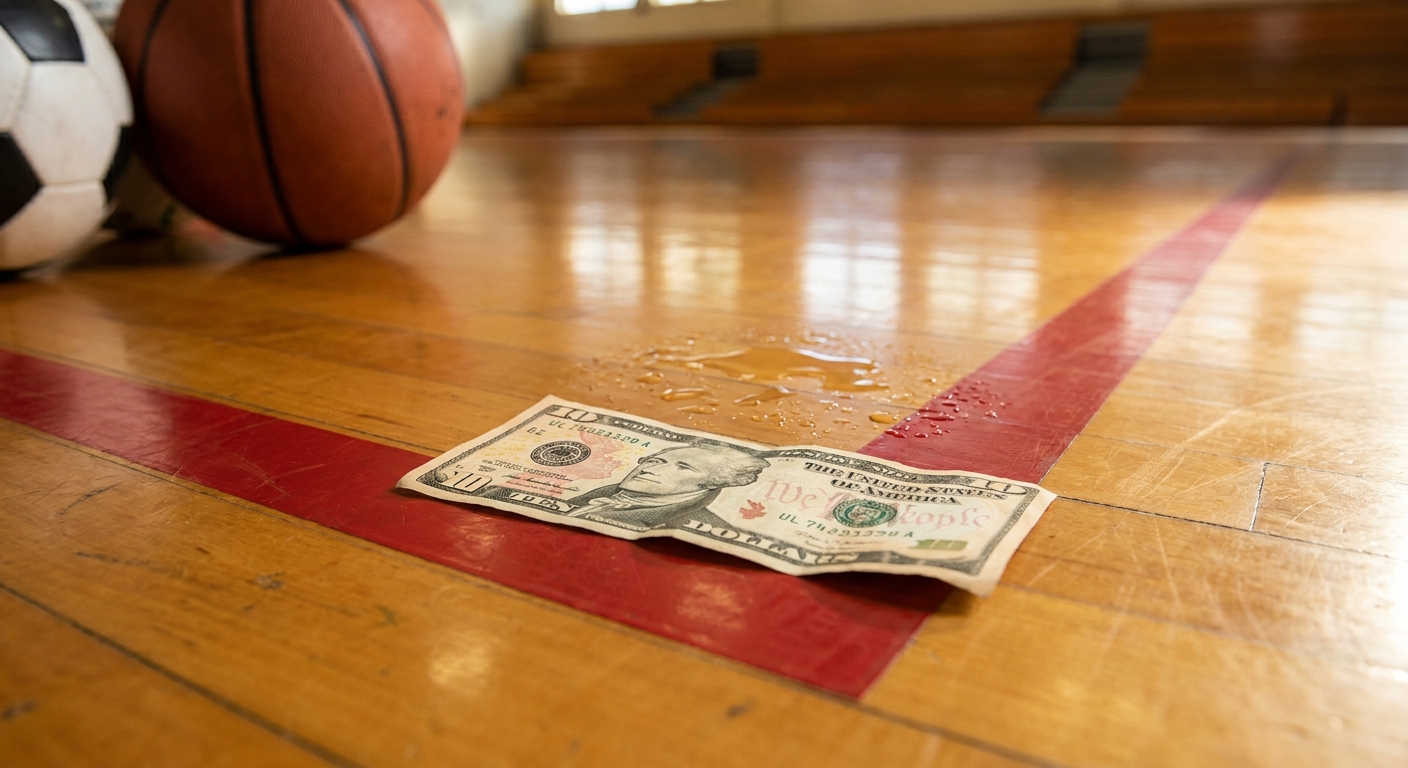
Registration is open for the Euclid Police Activities League's 2026-27 youth sports season — and at $10 for the full season, it may be the most affordable organized sports option in the city.
Beyond basketball, the program offers volleyball, kickball, and soccer in an open-gym format, along with Safety Town and Junior Police Academy as separate $10 youth activities. The PAL Sports Program also runs Wednesday evenings at Euclid Middle School inside the Field House.
That $10 price tag stands out in a youth sports landscape where costs have become a barrier for working families. Average family spending on a child's primary sport reached $1,016 per year in 2024 — a 46% increase from 2019, according to Aspen Institute Project Play survey data. American families now spend more than $40 billion annually on youth sports overall, covering registration, equipment, travel, and related expenses. About two-thirds of parents with a child in youth sports estimate spending up to $2,000 annually, while roughly 1 in 10 higher-income sports households top $5,000 per year, according to a July 2026 AP-Ipsos poll conducted July 21–26.
Closer to home, the Euclid Recreation Department charges $150 for its Recreational U7–U15 youth basketball program covering fall and spring sessions. Akron YMCA youth basketball leagues run $80 for members and $110 for non-members, plus a one-time $10 jersey fee. Travel leagues can reach $3,000 to $5,000 per year.
The gap between PAL's fee and those figures matters in a city where the median household income was $48,696 during the 2019–2023 period, according to U.S. Census Bureau American Community Survey estimates. Organized sports participation tracks closely with family income: 70.2% of children in households at or above 400% of the federal poverty level play organized sports, compared with 31.2% of children in households below 100% of the poverty level, according to CDC data. A similar divide showed up in the July 2026 AP-Ipsos poll — about 7 in 10 K-12 parents with household income of $100,000 or more report their child plays organized sports, compared with about 4 in 10 lower-income parents. Low-income youth quit sports because of financial costs at six times the rate of their wealthier peers, Aspen Institute Project Play research found.
The AP-Ipsos poll included 1,737 adults, among them 510 parents of school-aged children who play youth sports, with a margin of error of plus or minus 2.7 percentage points for adults overall and plus or minus 4.9 points for parents of school-aged children.
Registration and club fees, equipment, travel, and work-schedule constraints are the most common barriers keeping low-income families out, and programs like PAL — part of the National Police Athletic/Activities League, which aims to build positive relationships among young people, police, and communities through mentorship, sports, and education — are designed to remove them.
How to Register
Pre-registration is required. Parents and guardians can enroll online through the Euclid Police Department's website. Those unable to register online can pay in person at the Euclid Police Department, 545 E. 222nd St., using $10 cash only. The fee covers participation in the selected activity for the season.
Questions can be directed to Officer Brandon Moore at [email protected].
One note for parents weighing the non-sport offerings: PAL lists Safety Town for 2027 while describing it as a program for children entering kindergarten in fall 2026, leaving the schedule and eligible kindergarten class unclear. Junior Police Academy is for middle-school-aged children and runs from 8 a.m. to noon at the police department for $10.
For Euclid families deciding where to spend their youth sports dollars this fall, the math is simple — $10 versus $150 or more. The harder question is how many kids in a city with a median income under $50,000 never sign up at all because the typical price of entry is too high.