Government
Euclid freezes standalone data center development over wastewater treatment concerns
Euclid will use the pause until January 2027 to study whether data center wastewater could strain a treatment plant also serving four neighboring communities.
By Staff · October 9, 2026
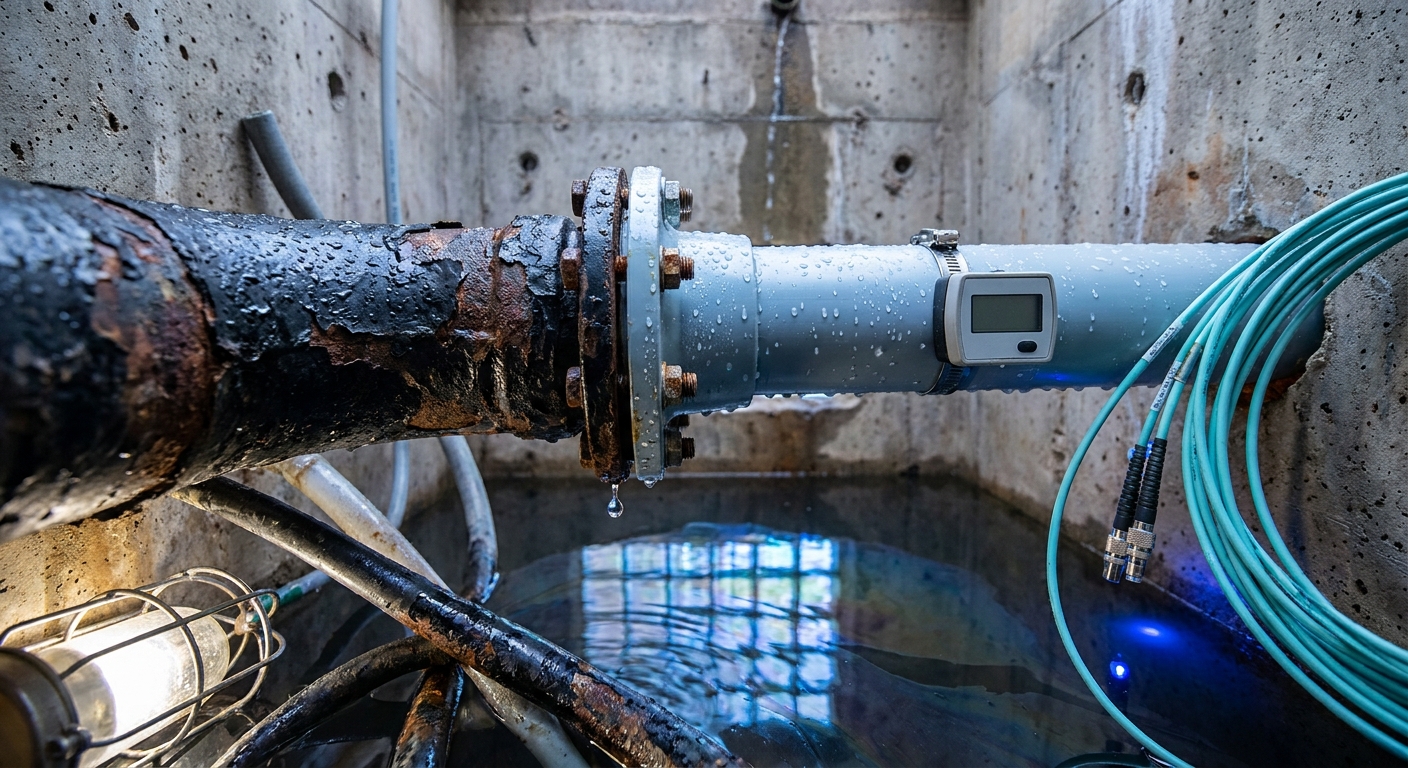
Euclid City Council voted to freeze all standalone data center development until January 2027, a pause meant to give the city time to answer a question that has nothing to do with tax revenue and everything to do with what happens after the servers start drawing water: what does a data center do to the wastewater treatment plant Euclid residents pay to keep running?
The moratorium is temporary and targeted. It stops standalone data centers — facilities built specifically to house computing equipment — while leaving the door open for the city to study their impacts rather than reject the projects outright.
The wastewater question
Ward 5 Council Member Tara Hannum, who chairs council’s Sustainability and Environmental Stewardship Committee, put the concern on the record: a standalone data center could strain Euclid’s municipally operated wastewater treatment plant, including the wastewater and byproducts such facilities generate.
“You hear a lot about the utility costs, you hear a lot about the fact that it takes a lot of water to power these facilities, it increases the amount of electricity and residents are stuck paying the overage on that,” Hannum said, “but one of the areas that you are not hearing a lot of conversation on is what happens with the wastewater treatment plants and the byproducts created by these systems.”
“We’ve been putting a lot of money into our solid waste district,” she added, “so this is an area of concern because it could increase if there is a data center here.”
What the plant handles
Euclid runs its own wastewater system through the City of Euclid Water Reclamation Department, which operates the Euclid Wastewater Treatment Plant, also called the Euclid Water Pollution Control Center, at 22201 Lakeshore Boulevard.
The plant has an average design flow of 22 million gallons per day and a peak treatment capacity of 66 million gallons per day. It serves Euclid, Wickliffe, Willowick, Richmond Heights, and Willoughby Hills.
Data-center water use varies widely by facility and cooling design. A large hyperscale facility can use 1 to 5 million gallons per day and a medium facility roughly 300,000 gallons, while reported withdrawals across facilities have ranged from 270 gallons to 3.9 million gallons per day, with a median of about 121,000 gallons. Roughly 70% to 85% may be lost to evaporation, with the remainder discharged as wastewater.
The bill behind the worry
The economic argument for data centers is not small. Law Director Patrick Cooney called the facilities “obviously very big, a lot of economic impact,” with a lot of changes being discussed.
But the revenue pitch carries a counterweight. For 2026, Euclid’s standard residential wastewater charge is $123.96 per MCF, or 1,000 cubic feet — a rate that funds wastewater treatment plant operations, capital costs, and related charges.
That is the public cost Hannum raised: a facility that could strain the plant and leave residents footing the bill for the strain on the system their sewer payments keep running.
The January clock
The moratorium is set to expire in January 2027, which makes the time between now and then the window in which the study has to happen.
Cooney recommended that City Council’s Planning and Zoning Committee study the facilities’ effects before the pause expires. “It will give time to see if any changes will be enacted by the Ohio legislature,” he said.
Euclid is not alone in pressing pause. As of September 17, 2026, at least 138 Ohio municipalities and townships had active data-center moratoriums, and at least 23 more were considering similar proposals.
What remains open is whether the city gets real answers about the wastewater treatment plant in time, or whether the moratorium lapses with the strain still unmeasured and the plant still unprotected.