Government
What Euclid's 2026 candidates promise on the waterfront, jobs and accountability
With the Nov. 3 general election approaching, a review of campaign platforms reveals that incumbent Shontel Brown has pointed to federal funding wins for lakefront projects while other congressional
By Staff · August 6, 2026
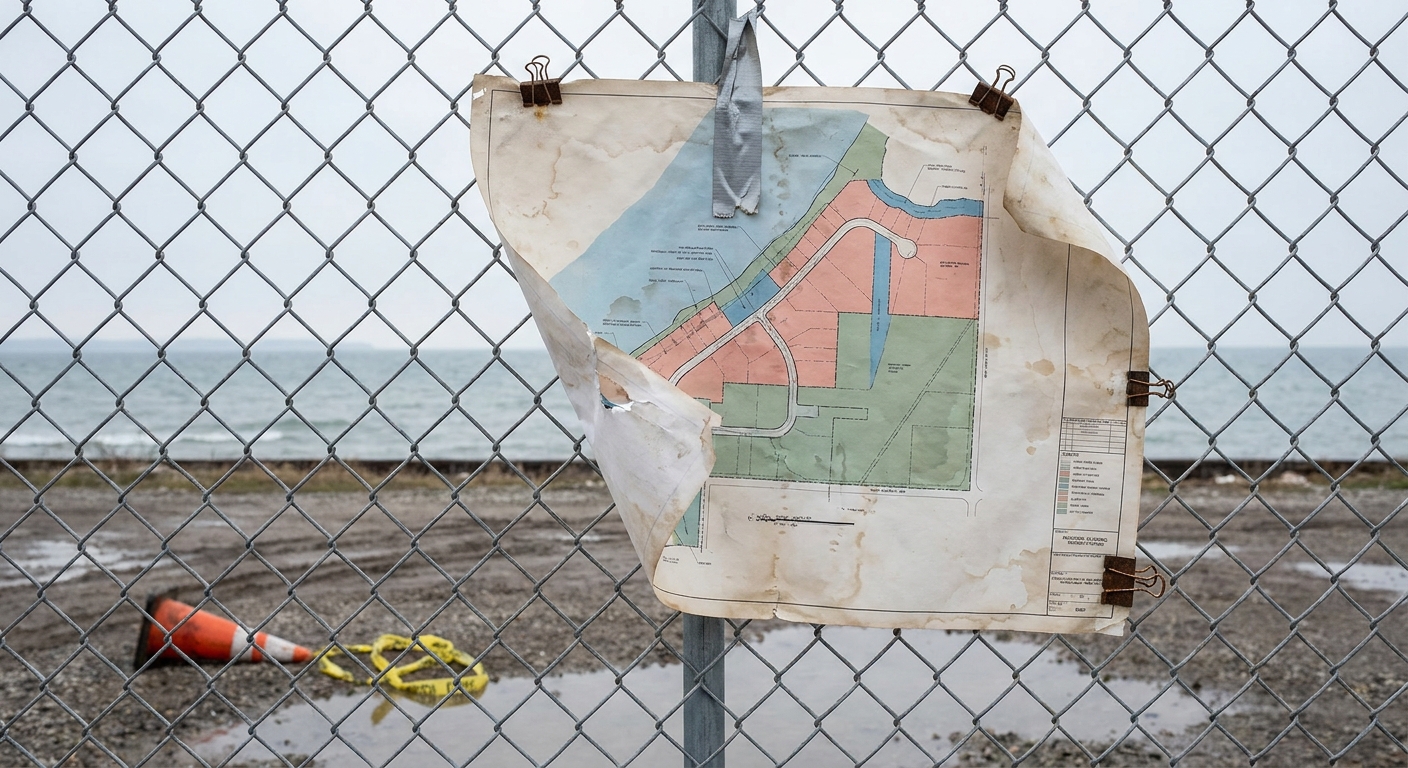
Euclid's 2026 ballot will not include City Hall, but it will decide who speaks for the city's lakefront, working families and neighborhoods in Columbus and Washington.
Voters will choose representatives for Ohio's 11th Congressional District, Ohio House District 9 and Ohio State Senate District 21. Euclid sits in the 11th Congressional District and is part of House District 9, currently represented by Munira Yasin Abdullahi. Senate District 21 also includes Cleveland Heights, Garfield Heights, Shaker Heights and Warrensville Heights.
Democratic U.S. Rep. Shontel Brown won her primary with 70,357 votes, or 85.5%, and faces Republican Mike Kirchner, who defeated James Hemphill in the Republican primary with 6,949 votes to 3,648. Abdullahi, a Democrat, faces Republican Bruce Euans in House District 9. Democratic candidate Kent Smith defeated Delores Gray Ford in the primary for Senate District 21 and faces no Republican opponent in the general election.
Euclid's mayoral election is not until Nov. 2, 2027, and the city's council seats, organized into eight wards, are not on the ballot in 2026.
That leaves voters to assess what the congressional and Statehouse candidates would deliver for Euclid. On the issues central to the city — lakefront development, economic opportunity for working families and government accountability — the campaigns range from funded projects to broad principles that lack local detail.
Lakefront commitments: One funded project, few specific plans
Brown is the only candidate in the three races with a concrete, funded project for Euclid's lakefront. She secured $850,000 in federal Community Project Funding for the Euclid Beach Connector trail, a new multimodal trail between E. 151st Street and Euclid Beach intended to expand equitable access to Lake Erie, and requested $2.5 million for the Beulah Park–Euclid Beach Lakefront Connector Trail Project in FY26 appropriations. Her broader 2026 campaign priorities center on lowering costs, protecting health care and food assistance, defending civil rights, and supporting jobs and infrastructure.
Kirchner's campaign focuses primarily on Social Security reform. He argues that the trust fund may be depleted around 2032 and proposes moving the employee payroll tax into protected 401(k)-style accounts. His platform does not include commitments to Euclid's lakefront or waterfront projects.
Neither House District 9 candidate has outlined a Euclid lakefront agenda. Abdullahi's transportation and infrastructure platform calls for expanding COTA routes and stops, transitioning buses to renewable energy, and renovating roads and sidewalks, but does not address lakefront development or Lake Erie access.
Euans' campaign centers on public safety, support for police and fire departments, support for military members and veterans, Second Amendment rights, and accountability in government spending — without stated waterfront plans.
Smith, running unopposed for Senate District 21, emphasizes four core principles: that everyone does better when everyone does better, Ohio's children are Ohio's future, innovation and opportunity for the economy, and showing up and doing the work for constituents. He also prioritizes increased funding for pre-K, K-12 and higher education. His agenda does not include lakefront development commitments for Euclid.
Economic opportunity: Broad goals without local detail
None of the candidates has committed to specific industries to attract to Euclid, training programs to fund locally or wage standards to pursue for the city's working families.
Brown's campaign includes support for jobs and infrastructure without specifying local targets. Kirchner's Social Security proposal focuses on protecting retirement accounts rather than job creation.
Abdullahi's 2026 platform centers on lowering health-care costs, expanding education support, advancing climate and transit investments, and increasing housing affordability — without detailing Euclid-specific economic development.
Euans presents himself as a business leader who understands local concerns and wants government to be honest, transparent and responsible with taxpayer money, but does not identify industries to attract or workforce programs for House District 9.
Smith's emphasis on innovation and economic opportunity remains at the level of a core principle, with stated priorities focused on education funding rather than job-training partnerships or industry recruitment.
Accountability: Principles without regular schedules
The campaigns offer few measurable commitments about how candidates would report to Euclid residents or make themselves regularly accessible.
Brown hosted a 2026 State of the District Report event on Feb. 12 at the Arnold Pinkney East Professional Center in Cleveland, but her campaign does not specify ongoing town hall schedules or constituent reporting mechanisms beyond that annual event.
Kirchner's campaign does not detail accountability mechanisms or constituent-access commitments.
Abdullahi, who has type 1 diabetes, lists affordable health care, equitable education, and community-building infrastructure with affordable housing as her main policy priorities. Her platform does not specify constituent reporting structures or town hall commitments for District 9 voters.
Euans places fiscal accountability near the center of his campaign, pledging to fight government waste, fraud and abuse, and describes himself as a non-career politician seeking honest, transparent government — but does not commit to specific reporting mechanisms or a frequency for town halls.
Smith's principle of showing up and doing the work likewise does not translate into specific town hall schedules, reporting intervals or anti-corruption measures.
Serving Euclid's diverse neighborhoods
The candidates' platforms contain policies that could affect Euclid's diverse population, but few explain how those proposals would apply to particular neighborhoods or groups within the city.
Brown's priorities include defending civil rights and gun-violence prevention measures: universal background checks, closing the Charleston loophole, banning assault weapons and high-capacity magazines, and banning gun sales to people convicted of domestic violence or hate crimes. They do not detail how she would address challenges facing specific Euclid neighborhoods or demographic groups.
Kirchner's Social Security-focused campaign does not differentiate among constituencies within the 11th District or acknowledge Euclid-specific demographic needs.
Abdullahi began her public-service career working in a nonprofit focused on youth development, leadership and community service. Her affordable housing platform calls for ending redlining, providing rent relief, protecting renters and homeowners from predatory practices, and investing in more affordable housing — but does not identify which Euclid neighborhoods face which challenges or how the proposals would translate into Euclid-specific action.
Euans emphasizes support for first responders, including police officers, firefighters and EMTs, and presents himself as a longtime Minerva Park resident, husband, father and business leader. His platform does not differentiate among neighborhoods or demographic groups within House District 9.
Smith's education-funding priority applies broadly across Senate District 21 without identifying Euclid-specific needs or acknowledging differences among the district's communities.
What Euclid voters should ask
For voters looking for commitments tied directly to Euclid, Brown's lakefront record is the clearest: $850,000 secured for the Euclid Beach Connector trail and a pending $2.5 million request for the Beulah Park–Euclid Beach extension. The remaining candidates frame their campaigns around broader policy principles without naming Euclid-specific projects, funding sources or partnerships.
Before voting, Euclid residents should ask the candidates which city neighborhoods would benefit from their priorities; how they would serve Euclid's lakefront and transit needs within their broader districts; which local employers or training institutions they would partner with to create jobs; how often they would hold town halls in Euclid and in what format; and what measurable outcomes they would commit to delivering for Euclid by the end of their terms.