Local News
Lake Erie Lawmaker Co-Sponsors Bill to Ban 'Forever Chemicals' in Consumer Products — Euclid's Rep Among Backers
Euclid's own Rep. Eric Synenberg is among 12 lawmakers backing HB 743, which would phase out PFAS in consumer products to protect Lake Erie drinking water.
By Staff · September 8, 2026
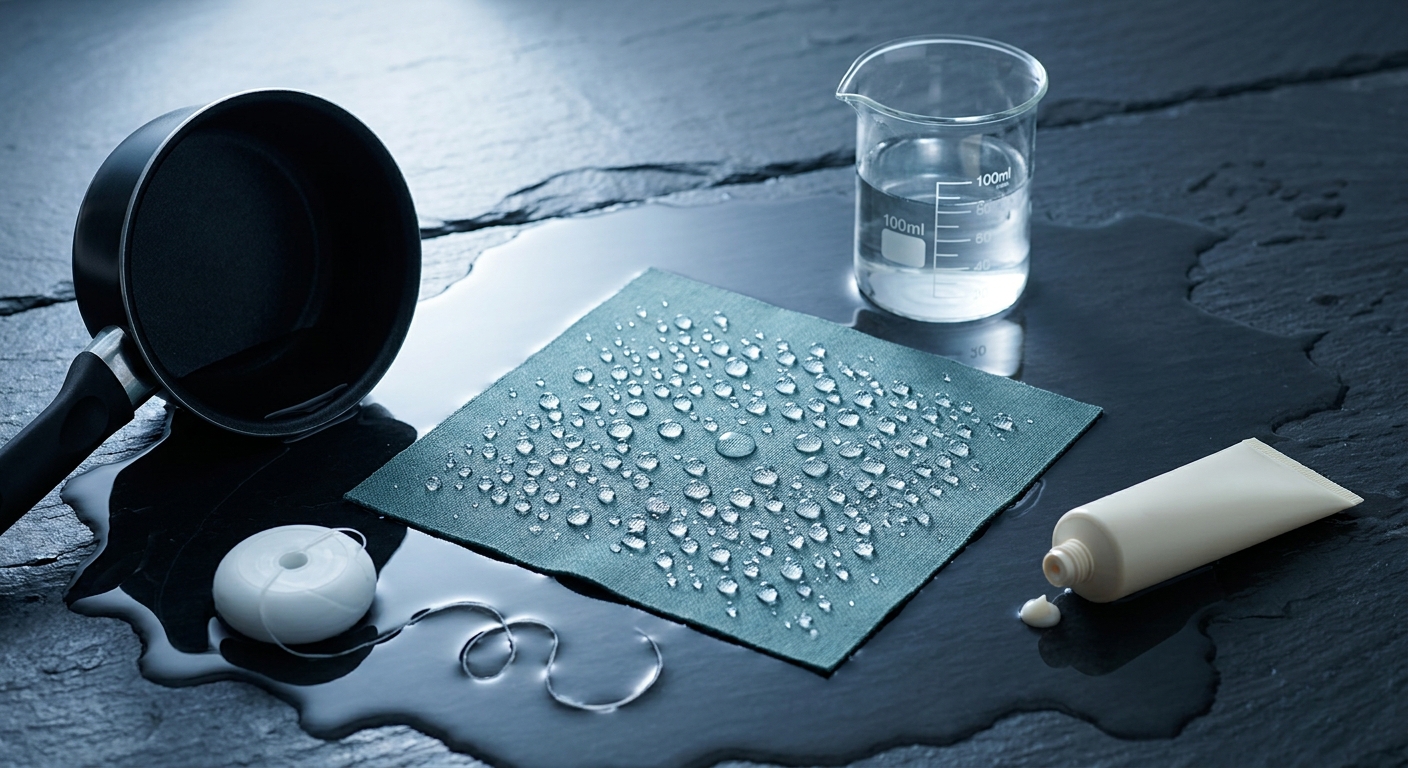
A bill that would ban the sale of consumer products laced with PFAS — the synthetic "forever chemicals" linked to cancer, thyroid disease and environmental contamination — is moving through the Ohio House with backing from lawmakers whose districts line the Lake Erie shore Euclid residents depend on for drinking water and recreation.
State Rep. Sean P. Brennan, who represents House District 14 in Cuyahoga County, announced his co-sponsorship of HB 743, legislation that would prohibit the sale and distribution of specified products containing intentionally added PFAS in Ohio. "Families should not have to guess whether everyday items in their homes contain harmful, invisible chemicals when safer alternatives are already within reach," Brennan said.
Brennan's district, centered in Parma, Parma Heights, Cleveland, Brooklyn, Brook Park and Middleburg Heights, does not include Euclid directly. But State Rep. Eric Synenberg, who represents House District 21 and Euclid itself, is also a co-sponsor. The bill was introduced by State Reps. Daniel P. Troy and Elgin Rogers Jr. in the 136th General Assembly. Troy's District 23 takes in the Lake Erie shoreline communities of Eastlake, Willowick and Mentor-on-the-Lake. "I have always considered protecting our water quality and Lake Erie as one of my primary objectives," Troy said.
In all, 12 legislators support the bill — two primary sponsors and 10 co-sponsors, including Brennan, Synenberg, Beryl Brown Piccolantonio, Karen Brownlee, Crystal Lett, Lauren McNally, Joseph A. Miller III, C. Allison Russo, Terrence Upchurch and Jodi Salvo.
What Would Be Banned — and When
HB 743 rolls out in phases. Starting January 1, 2027, manufacturers would be required to report PFAS information for any product containing intentionally added PFAS. The first product bans would take effect January 1, 2028, covering carpets and rugs, cleaning products, cookware, cosmetics, dental floss, fabric treatments, juvenile products, feminine hygiene products, textile furnishings, upholstered furniture and ski wax.
By January 1, 2033, the prohibition would expand to all products not covered by an exemption or a "currently unavoidable use" determination by the Ohio EPA. Exceptions would remain for items regulated under other federal or state schemes, firefighting foam, certain pesticides, and FDA-regulated medical devices and drugs.
What State Data Shows About Euclid's Water
Euclid's tap water comes from Cleveland Water. The utility's 2023 Water Quality Report found none of six PFAS compounds tested in finished drinking water. Its 2024 consumer confidence report went further: 29 PFAS compounds tested under the federal UCMR 5 program were not detected in any samples.
The broader Lake Erie picture is similarly reassuring, though monitoring is ongoing. Ohio EPA's 2025–2026 Lake Erie monitoring covers shoreline assessment units — waters extending from shore to 3 meters deep — in the Western, Islands, Sandusky and Central basins, plus open-water units beyond that depth. The agency has tested PFAS in 29 rivers and in aquatic life tissues to build a baseline and inform possible fish-consumption advisories. Measured PFAS concentrations were generally below U.S. EPA aquatic-life criteria, and neither PFOS nor PFOA exceeded chronic or acute thresholds in sampled river waters.
Enforcement and Penalties
The Ohio EPA would enforce the ban. Manufacturers who violate the law would face civil penalties of up to $15,000 per day. A violating manufacturer would also be required to notify every seller of the product in Ohio that the sale is prohibited and to provide the Ohio EPA director a list of those notified.
Where the Bill Stands
HB 743 was referred to the House Committee on General Government on March 18, 2026. No hearing date has been announced. "Clean air, drinking water, and soil are foundational to the health and well-being of every Ohioan," Brennan said, adding, "I'm glad to join my colleagues in supporting this vital legislation to protect public health, preserve our natural resources, and secure a cleaner, safer future for our children."
Whether the bill advances through committee — and whether it survives in a legislature that has not previously moved broad PFAS restrictions — will determine if Ohio joins the growing list of states banning forever chemicals from store shelves.