Local News
Lines at the Euclid Hunger Center grow longer as SNAP cuts hit working families
Households served across the Hunger Network jumped 20 percent since January as historic SNAP cuts and new work requirements strip benefits from older workers, veterans, and families.
By Staff · September 4, 2026
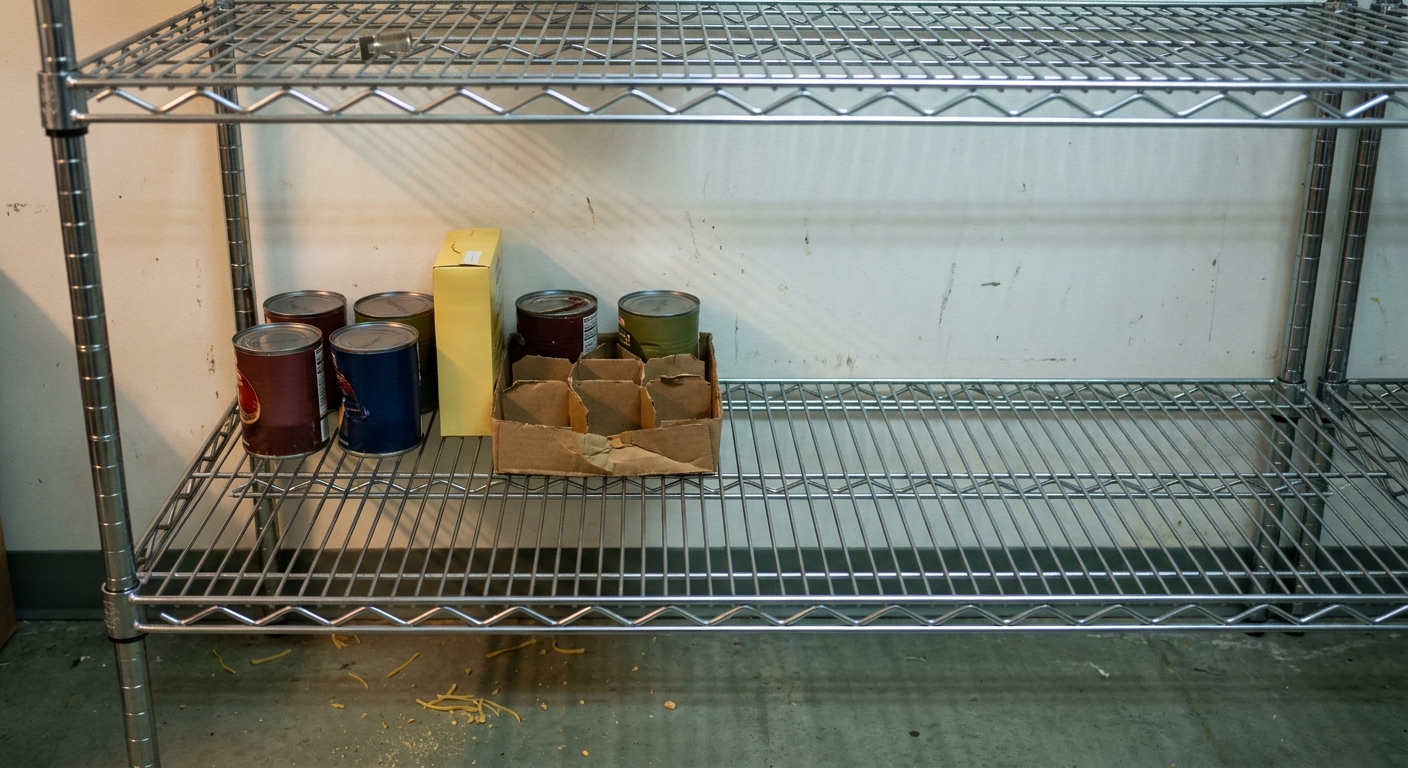
The line outside the Euclid Hunger Center at Shore Cultural Centre, 291 E. 222nd St., has been getting longer on Wednesdays and Saturdays. Across the Hunger Network of Greater Cleveland, the number of households served rose from about 15,000 in January to more than 18,000 in April — a 20 percent jump in four months. June was the busiest month on record for the Greater Cleveland Food Bank, with demand at or above pandemic-era levels.
The surge follows the largest cuts in the Supplemental Nutrition Assistance Program's history. Under the One Big Beautiful Bill Act, more than 4.5 million Americans — about 11 percent of participants — dropped off SNAP between the law's enactment and April 2026, including more than 1 million children.
In Ohio, roughly 132,000 households are expected to lose an average of $96 a month in SNAP assistance — about $1,152 a year — against average per-person benefits of roughly $190 to $195 a month. Statewide enrollment had fallen by about 7 percent, affecting roughly 100,000 people, by summer 2026. At the same time, grocery prices were up 2.7 percent in July from a year earlier, and the U.S. Department of Agriculture forecast overall grocery inflation of about 2.5 percent for 2026.
New work requirements squeeze Euclid's older workers and veterans
The law expanded work requirements to adults ages 55 through 64 and to parents with children ages 14 through 17. Recipients in those groups must work or volunteer 80 hours a month — about 20 hours a week — or lose benefits after three months. The same rules apply to veterans, people experiencing homelessness, and former foster youth ages 55 through 64.
Those provisions hit Euclid's demographics squarely. Residents ages 55 through 64 make up 15 percent of the city's estimated 2026 population of 47,591, and those 65 and older account for another 17 percent. The city is home to about 2,831 veterans. Median household income is $48,696, and the poverty rate for 2019 through 2023 stood at 17.4 percent.
In Cuyahoga County, SNAP enrollment dropped by roughly 14,000 recipients between October 2025 and July 2026, falling from about 192,900 to roughly 178,900. More than 11,000 county residents dropped off between November 2025 and March 2026 alone. About 5,400 county residents were expected to be directly affected when the new work requirements took effect; roughly 1,300 were expected to lose SNAP by the end of May, with another 3,700 projected to lose benefits over the following year.
Paychecks that don't cover groceries
Many Euclid households work in industries where a $96-a-month benefit cut is felt immediately. Wholesale and retail services account for 11.9 percent of local employment, while education, health, and social services account for 12.6 percent. More than 900 Ohio jobs were lost through WARN-noticed layoffs and closures at nine employers statewide in June. Even families with steady work in retail, health care, or education face a widening gap between paychecks and food bills when grocery prices rise and benefits shrink simultaneously.
Emergency food network absorbing the load — for now
A patchwork of pantries and churches is trying to fill the gap. The Euclid Hunger Center operates as a choice pantry on Wednesdays and Saturdays from 10 a.m. to 1 p.m. and can be reached at 216-731-3329 or [email protected] for emergency food inquiries. The Euclid Neighborhood Pantry at 22700 Shore Center Dr. is open the second Tuesday of each month from noon to 4 p.m., and a pantry at 24951 N. Lakeland Blvd. serves Euclid residents who meet TEFAP guidelines on the third Tuesday from 10 a.m. to 2 p.m. Celebration UMC runs a pantry at 771 E. 260th Street on the second and fourth Thursdays from 3 to 5 p.m. and the third Saturday from 11 a.m. to 1 p.m.; it is closed in January and August. East Shore United Methodist Church serves meals on Wednesdays from 4:30 to 5:30 p.m.
Behind those hours sit staggering logistics. The Greater Cleveland Food Bank served more than 404,000 people and distributed 53.3 million pounds of food through partner agencies in fiscal year 2025. Nearly 16 percent of residents in its six-county service area face food insecurity in 2026. Ohio food banks reported more than a 100 percent increase in demand by August following SNAP benefit losses.
The strain is not unique to Northeast Ohio. Nationally, food banks and pantries report rising demand while federal support and donations are constrained. Limited cold storage, staffing, and volunteer availability have led some organizations to ration supplies, reduce distribution days, and recruit urgently for help. In Texas, food banks have faced $88.4 million in federal funding reductions and 40 percent less in federal commodities, prompting some to ration food, cut distribution days, and reduce deliveries to partner pantries. All Faiths Food Bank sought roughly 800 volunteers to provide about 12,000 hours for 60 planned outdoor mobile distributions through September.
City Hall responds, but more pressure is coming
The City of Euclid maintains a support page listing food pantries and other resources for residents affected by SNAP benefit losses. Mayor Kirsten Holzheimer Gail joined other U.S. mayors in a July 20 letter urging Congress to reverse the SNAP cuts and protect benefits and eligibility.
The pressure is set to intensify. Beginning Oct. 1, the federal government will cover only 25 percent of state SNAP administrative costs — down from half — leaving states responsible for the remaining 75 percent. Starting Oct. 1, 2027, states will be required for the first time to pay 5 to 15 percent of SNAP benefit costs themselves. The federal legislation is projected to reduce SNAP spending by 20 percent over the next decade and create an Ohio state funding gap of about $70 million from added administrative costs.
That timeline poses a concrete question for Euclid: demand at local pantries is already at pandemic-era levels, volunteer ranks and cold storage are stretched, and the federal dollars that sustained both SNAP benefits and the emergency food system behind them are shrinking on a fixed schedule. If pantry hours are cut further, supplies rationed more tightly, or distribution capacity exhausted, the emergency food network that working families now depend on may not be able to absorb what federal programs no longer cover.