Public Safety & Courts
Euclid Man Faces Murder Charges in Cold Case from 2004
Angelo Smith, 68, was indicted after advanced DNA testing linked him to the 2004 stabbing death of Naomi Fails in a vacant Cleveland apartment building.
By Staff · August 21, 2026
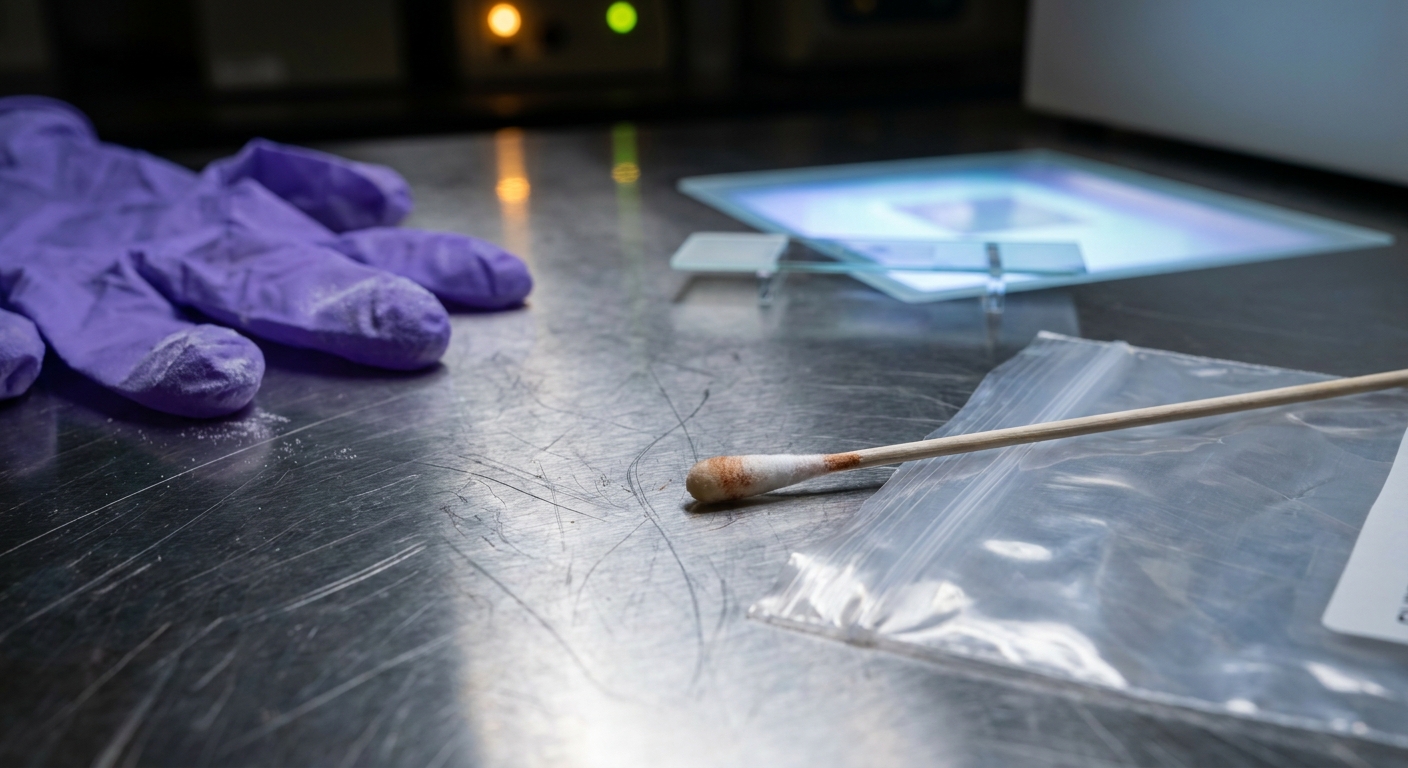
More than two decades after Naomi Fails was found stabbed to death in a vacant Cleveland apartment building, a Euclid man faces charges in her killing following a breakthrough investigators attribute to advances in DNA technology.
A Cuyahoga County grand jury secretly indicted Angelo Smith, 68, in July on one count of aggravated murder and one count of murder in connection with Fails' March 2004 killing, Cleveland.com reported.
Smith was arrested by a Cuyahoga County Sheriff's Office SWAT team and booked into the Cuyahoga County Jail on August 7, 2026. At his arraignment in Cuyahoga County Common Pleas Court, he pleaded not guilty, and Judge Richard Bell set his bond at $1 million. Smith is due back in court on August 25 for a pretrial hearing.
For Fails' family, the proceedings mark the first movement toward accountability after a wait that stretched from her son's childhood into middle age.
"Me and my family waited 22 years for some type of news on what happened to my mom," Darnell Fails, son of victim Naomi Fails, said.
Fails, 40, was found dead on March 13, 2004, in the bedroom of a vacant apartment building on Somerset Avenue near East 105th Street in Cleveland. She had suffered multiple stab wounds. The building's owner discovered her after going there to repair a broken window; investigators said someone had forced entry through a boarded-up window. Because her body was found in Cleveland, the case was initially investigated by the Cleveland Division of Police.
More than two decades later, the Cuyahoga County Prosecutor's Office submitted evidence from the case to Othram for advanced DNA testing and forensic genetic genealogy. That work generated leads pointing to Smith, and a subsequent DNA comparison matched his sample to evidence from the crime scene.
"Forensic genetic genealogy was the key to solving this 22-year-old murder. Without these advances in science, this case would remain unsolved," Cuyahoga County Prosecutor Michael O'Malley said.
Darnell Fails argued that Smith should remain in custody while the case proceeds.
"And now that we're here, I think it's pretty obvious the community and a lot of other families would be safer if this gentleman would be held," Darnell Fails said.
The methods that led investigators to Smith are part of a broader effort by the Prosecutor's Office to revisit violent crimes that remained unsolved when older investigative tools were exhausted. The office created the G.O.L.D. Unit — Genetic Operations Linking DNA — to investigate such cases using forensic genetic genealogy and familial DNA searching. The unit reviews cold cases for new testing opportunities and works on the Sexual Assault Kit Task Force, Cold Case Initiative and Lawfully Owed DNA project. It received a $2.5 million grant through the 2023 BJA National Sexual Assault Kit Initiative to help investigate and prosecute unsolved violent crimes in Cleveland.
Those results offer a measure of hope for families still waiting, but the length of time it took to bring charges in Fails' death underscores how long such answers can remain out of reach. The Ohio Attorney General's unsolved homicide database includes at least one Euclid case — Jermayne Mitchell, whose incident date is listed as April 26, 2007.