Schools & Education
ChanceLight Euclid Shut Down by Excessive Heat While All Other District Schools Stayed Open
The therapeutic day school closed Sept. 2 after indoor temperatures became unsafe, raising concerns about why its cooling failed when all eight other district buildings stayed open.
By Staff · September 8, 2026
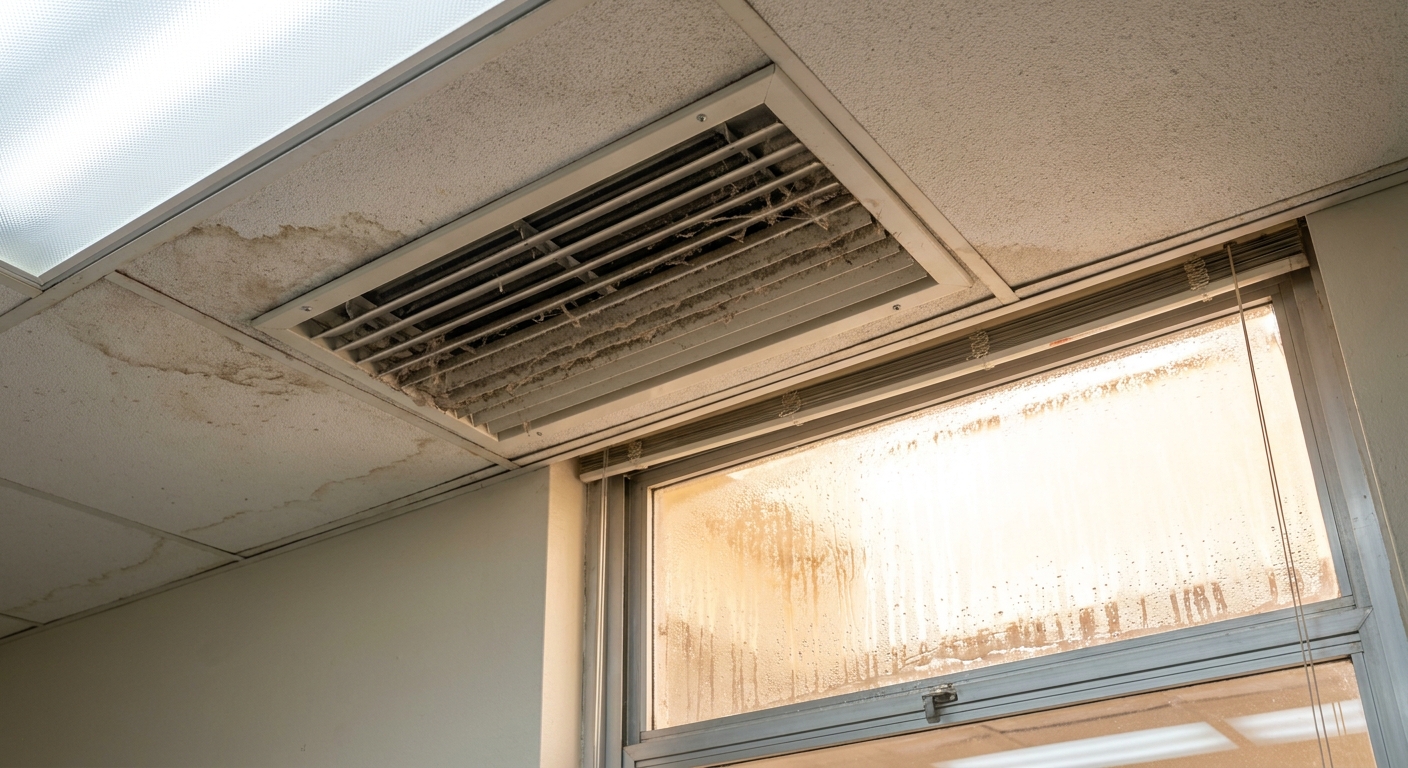
ChanceLight Euclid closed Wednesday, Sept. 2, after indoor temperatures climbed to unsafe levels, forcing the therapeutic day school to send students home while all eight other Euclid City School District buildings operated normally. The school reopened at its regular time Thursday, Sept. 3.
"The safety and well-being of students and staff are the top priority in making this heat-related closure decision," the district said in an announcement.
The closure raises a pointed question for Euclid families: why did one building's cooling fail while the district's high school, middle school, four elementary schools, Pre-K/Kindergarten School, and alternative school all kept students and staff safe on the same 90-degree day?
A Vulnerable Population, a Single Building
ChanceLight Euclid, located at 1941 Sagamore Drive, is a therapeutic day school serving grades K–12 — students with emotional disabilities, autism, and behavioral challenges who depend on consistent instructional and behavioral support. At one point the school had 26 students enrolled. It is operated through a partnership between Euclid City Schools and ChanceLight, a for-profit provider of behavioral health, therapy, and education services now in its fourth year with the district as of March 2026.
For those students, a sudden closure is not just a missed day of class. Disruptions to therapeutic programming can set back the structured routines their plans are built around.
The Heat That Day
Euclid recorded a high of roughly 87–89°F on Sept. 2, with a heat index of 93–96°F; nearby South Euclid saw a RealFeel temperature of 102°F. A National Weather Service heat advisory was in effect as heat index values approached 100°F, prompting widespread school closures across Northeast Ohio.
Three Akron Public Schools — North High School, Miller South School for the Visual and Performing Arts, and Pfeiffer Elementary — also closed Sept. 2 because of dangerous heat, canceling all after-school activities. Springfield Local Schools shut down all buildings over a cooling system issue, and Norton Elementary and Middle School closed amid temperatures in the 90s and heat indices near 100°F.
Ohio does not mandate that schools close above a specific classroom temperature; heat-response thresholds are typically set by local district policy. The state's school facility design guidance, however, specifies that occupied indoor spaces should be maintained at 75–78°F in summer with relative humidity at 50%.
Unanswered Questions
The district has not publicly explained why ChanceLight Euclid's HVAC or cooling system failed. It has not disclosed how long officials knew about cooling problems at the building before the Sept. 2 closure, released any repair or maintenance history for the system, or said whether it has inspected HVAC equipment in other buildings for similar vulnerabilities.
Those gaps matter in a district with active capital financing. Euclid City Schools issued $52.88 million in municipal bonds in October 2025, and a proposed continuing 6.75-mill additional levy for current expenses is on the November 2026 ballot. Voters deciding the levy's fate deserve to know how infrastructure dollars are being directed — and whether buildings serving the district's most vulnerable students are falling behind.
What Families Should Press For
Superintendent Karen Brown, appointed in April 2026, and School Board President Gabrielle Kelly lead a board that also includes Vice President Selina Wright and members Pamela Turos, Tia Otoo, and Evan Botzki. Those are the officials Euclid families should be directing questions to now:
Will the district conduct a systemwide audit of HVAC infrastructure before the next heat event? Which buildings have aging or vulnerable cooling systems, and what is the timeline for upgrades? And how will the district communicate climate-related risks and closure decisions in advance — especially for families whose children depend on uninterrupted therapeutic programming?
One building failed on Sept. 2 while eight others did not. The district owes families a clear accounting of why — and a plan to make sure it doesn't happen again.