Schools & Education
Euclid school board adopts forecast showing deficits through 2030 even with Issue 5 levy revenue
Issue 5 would cost homeowners $19.67 monthly per $100,000 value, but the adopted forecast still projects deficits from $3.78M in 2027 to $23.03M by 2030.
By Staff · October 20, 2026
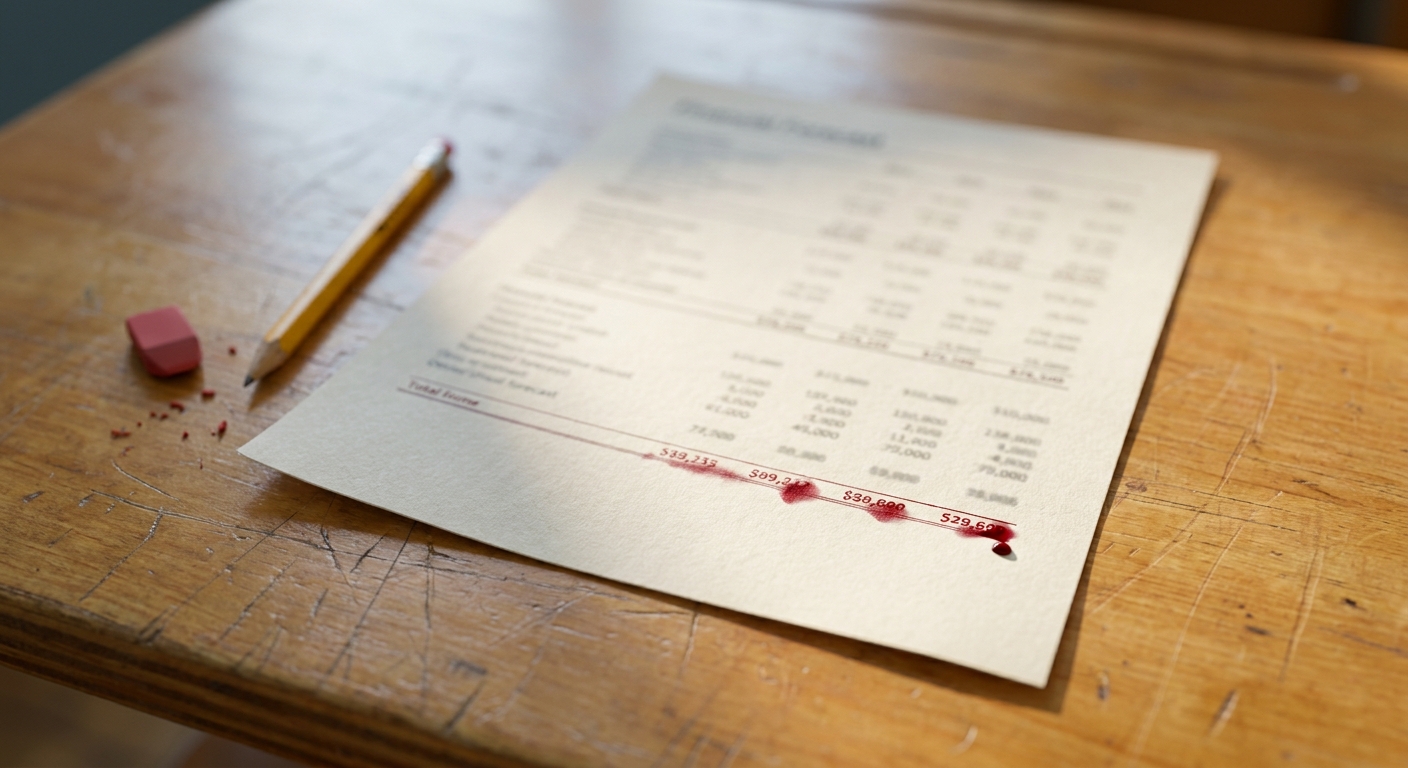
Euclid's school board has adopted a five-year financial forecast that counts on the revenue from a proposed operating levy — and still shows the district running a deficit every year through fiscal 2030. Prepared by Treasurer Patrick Higley and submitted to the Ohio Department of Education and Workforce, the forecast projects annual shortfalls that grow from about $3.78 million in fiscal 2027 to roughly $23.03 million in fiscal 2030, even with the modeled levy money included.
Euclid voters, meanwhile, are weighing Issue 5, the 6.75-mill additional continuing operating levy on the November 3, 2026 general election ballot, expected to raise about $6.87 million a year for general operating expenses, with collections starting in calendar year 2027 if it passes. For a homeowner, the levy costs $19.67 a month, or $236.04 a year, for each $100,000 of property value; a $200,000 Euclid home would pay $39.34 a month, or $472.08 a year.
What Issue 5 asks
"Euclid Schools has not asked voters for new operating funds in about six years. In that time, the cost of running our schools has continued to rise, while state funding has not kept pace. This levy is about closing that gap so we can continue meeting the needs of our students and families," Superintendent Karen Brown said.
The district already draws operating revenue from a 0.47% school-district income tax and a 10-year, $5.6 million emergency levy approved by Euclid voters in 2020; Issue 5 is the first new levy request since then.
The gap the levy doesn't close
Spending is projected to rise about 3.94% a year while revenue declines about 4.08% a year, even after counting the levy proceeds. The forecast models roughly $3.45 million in new levy revenue for fiscal 2027 and approximately $6.9 million a year from fiscal 2028 through 2030 — essentially the full $6.87 million annual levy amount once collections ramp up.
The district says it has already made about $3.5 million in budget reductions and refinanced its building bonds, but those moves don't eliminate the red ink. "Those steps help, but they don't close the gap on their own," Brown said. "Without additional revenue, the categories with the most flexibility in a school budget are typically programming beyond what the state requires and extracurricular and enrichment activities — so those are the areas the Board would have to look at closely in the next round".
What isn't answered
If the levy fails, district officials say further cuts would likely target extracurricular and enrichment programs, elective courses, transportation beyond state minimums, class sizes, and specialized programming. But the adopted forecast identifies no revenue source beyond the modeled levy to cover the remaining deficits through fiscal 2030 — leaving unanswered what pays for the shortfall if Issue 5 passes.
The board most recently convened October 14 to accept September's financial statements, district payments, and the Medical Mutual of Ohio health insurance renewal. The adopted forecast and the Issue 5 figures — the millage, the expected annual revenue, and the per-$100,000 homeowner cost — are published on the district's Levy Information page.
A $200,000 Euclid home would pay $472.08 more a year under Issue 5, and the district's own figures still project a $23.03 million deficit by fiscal 2030 with that money counted. Voters get their say November 3.