State News
DeWine Declares Emergency as Severe Weather and Flooding Hit Ohio
Cuyahoga County is among eight northeast Ohio counties covered by the declaration, which activated the National Guard for rescues and evacuations.
By Staff · August 20, 2026
Ohio Governor Mike DeWine declared a state of emergency in multiple counties in mid-August 2026 after severe storms brought tornadoes, flooding, and destructive winds to communities across the state. Euclid, in Cuyahoga County on Lake Erie's southern shore and northeast of Cleveland, is among the northeast Ohio communities covered by the declaration.
DeWine first declared an emergency in Perry and Muskingum counties on August 11, 2026, then issued a separate declaration on August 12 for eight northeast Ohio counties: Ashtabula, Cuyahoga, Geauga, Lake, Lorain, Portage, Summit, and Trumbull.
"We are in a very dangerous weather situation that really involves all of Ohio. It's really unusual to see this, but danger can really be anywhere within the state, and it's not something that's going to end tonight," Mike DeWine told reporters.
"It's multiple things: tornadoes, winds, flooding, all kinds of things," Mike DeWine, Ohio governor, said.
In Perry and Muskingum counties, up to 5 inches of rain caused major flooding, prompting DeWine to activate the Ohio Army National Guard for rescues and evacuations. Approximately 40 soldiers and 20 Light Medium Tactical Vehicles were deployed from the 1484th and 1485th Transportation Companies, units based in North Canton and Coshocton. Hundreds of rescue operations were conducted across the two counties, while communities including Crooksville and Roseville experienced devastating flood damage. A second round of flash flooding hit Perry County on August 16-17, 2026, further damaging homes and businesses and leading to numerous additional water rescues and renewed evacuations in places such as New Lexington.
"This is the time to use common sense. This is the time to pay attention," Mike DeWine, Ohio governor, said, urging residents to follow local media as additional dangerous storms were expected.
Northeast Ohio had already endured multiple rounds of severe weather beginning August 6, 2026, including flash flooding, tornadoes, and widespread power outages. Four tornadoes touched down that day, causing significant damage and leaving tens of thousands without power in the Cleveland area.
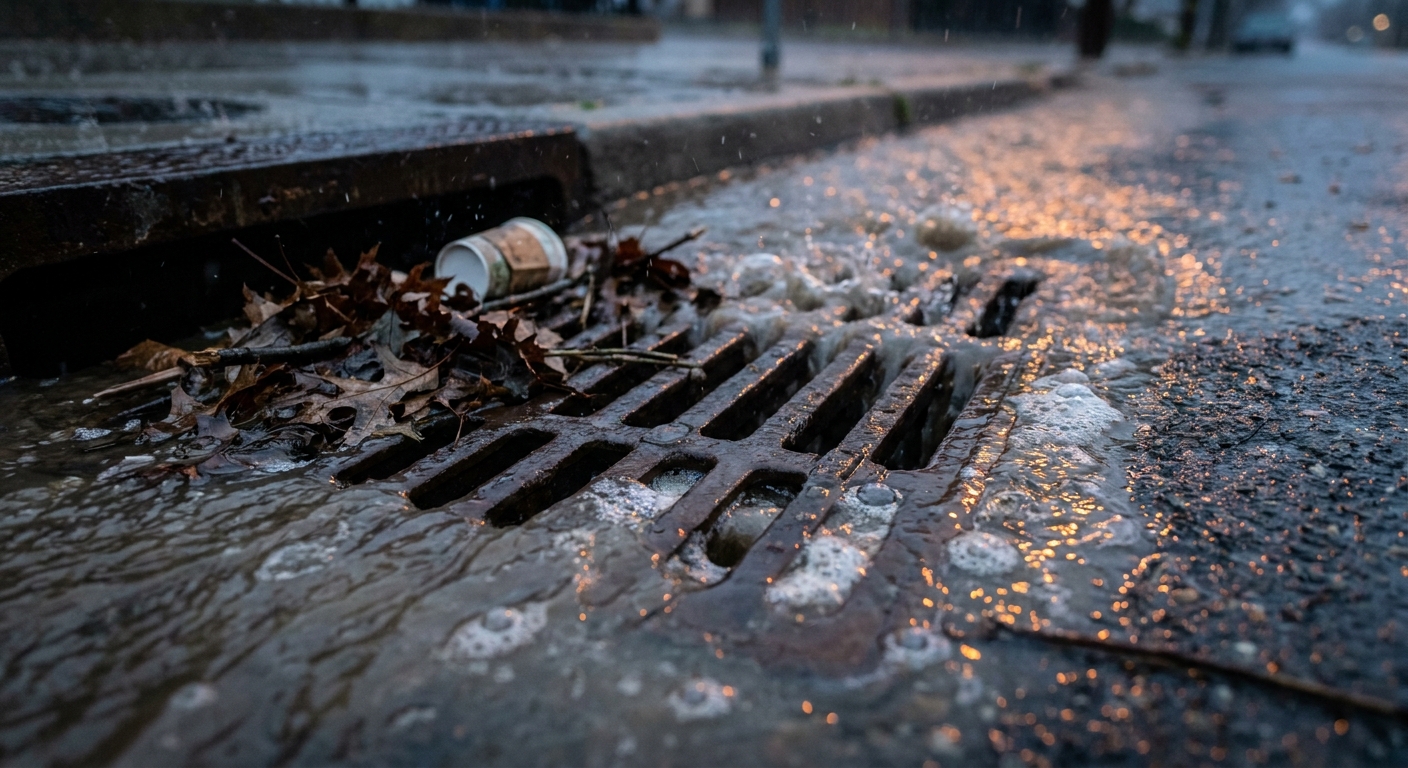
For Euclid residents, the statewide emergency intersects with a familiar local concern. A Flood Advisory issued for Cuyahoga County on August 10 warned that 1 to 2 inches of thunderstorm rain could cause urban and small-stream flooding, and Euclid was specifically identified among the locations expected to experience minor flooding in low-lying and poor-drainage areas.
Even those rainfall amounts are far smaller than what lake-enhanced storms have delivered recently. Kelleys Island received 10 to 15 inches of rain on July 6, 2026, during lake-enhanced showers and thunderstorms over several hours, causing significant flooding and damage. Such storms can deliver dramatically more rainfall to Lake Erie communities than inland areas receive. In Euclid and other cities along the southern shore, storms arriving from the lake interact with shoreline topography, waterfront infrastructure, and urban drainage systems designed for earlier rainfall patterns, amplifying vulnerability to both flooding and erosion.
The emergency declaration gives the state tools to respond to the immediate threat. In Ohio, it allows the governor to mobilize state resources quickly, direct agencies to assist affected areas, and accelerate the purchase of supplies and contracts needed for response and recovery. It also enables coordination through the Ohio Emergency Management Agency and can help trigger reimbursement or federal aid processes. For counties covered by the declaration, including Cuyahoga and Lake, that can mean additional state personnel and equipment, assistance with road clearing, shelters and emergency operations, and damage assessments for reimbursement or aid determinations.
Those measures address an active emergency, not the underlying vulnerabilities. The declaration does not fund longer-term infrastructure improvements, drainage system upgrades, shoreline stabilization, or preparedness investments that could reduce damage before the next severe weather event.
The succession of emergency declarations across Ohio in August 2026—separate proclamations for different regions, followed by continued National Guard deployments when flooding returned to already-damaged areas—signals that severe weather is arriving with a frequency that challenges the idea of such events as exceptional. For Euclid, the expanding response shows what the state can do once disaster strikes but leaves the community confronting a longer-term question: whether emergency declarations and public warnings are sufficient, or whether recurring emergencies point to a need for infrastructure investment, drainage modernization, and preparedness planning scaled to a new baseline of storm intensity.