State News
Sen. Kent Smith Pushes Back on Data Center Wastewater Discharge, Ohio EPA Rejects Permit
By Staff · July 25, 2026
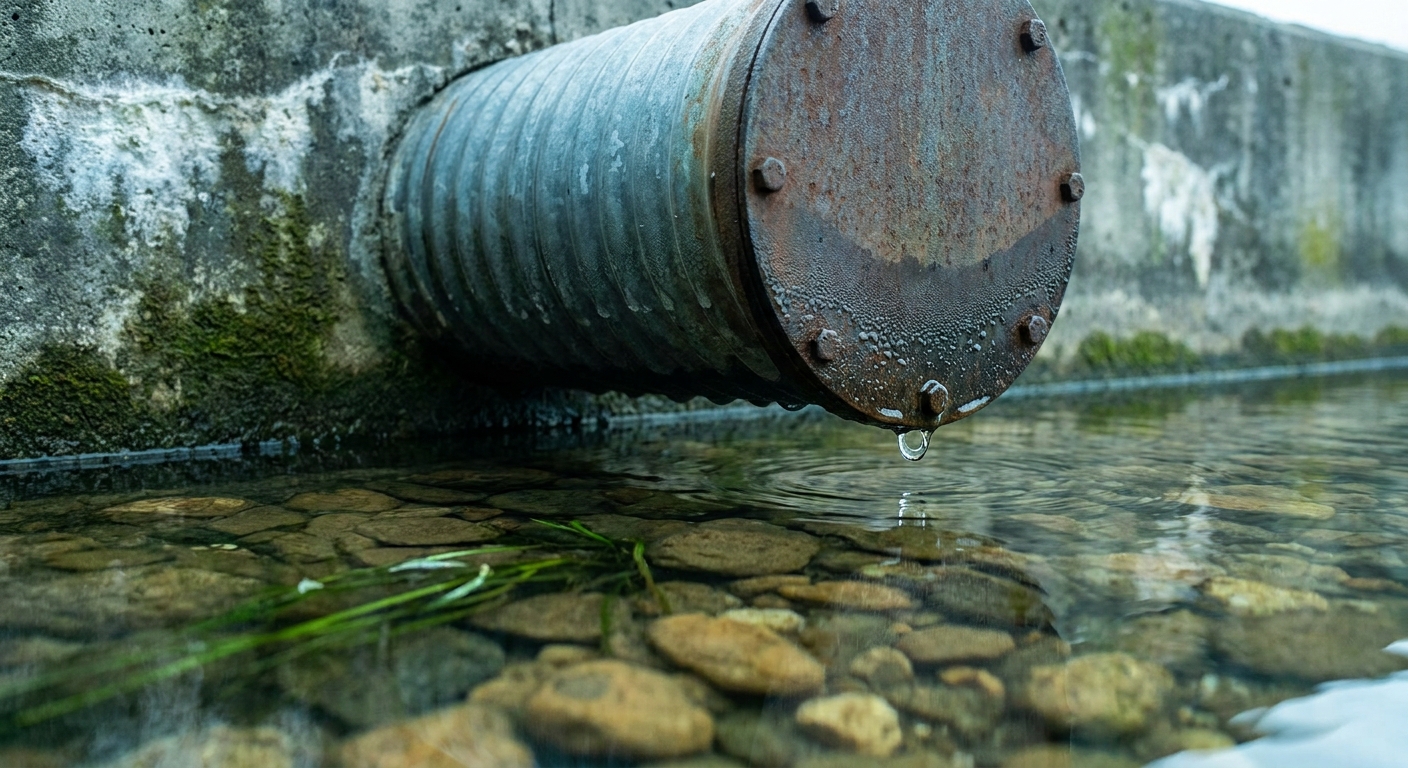
State Senator Kent Smith (D-Euclid), the District 21 senator and Democratic minority whip, successfully pushed the Ohio Environmental Protection Agency to reject a proposed permit that would have allowed data centers to discharge wastewater into Ohio waterways.
The statewide NPDES general permit would have given data centers blanket approval to discharge wastewater—including heated cooling water—into Lake Erie and other Ohio waters without requiring site-specific environmental review. Currently, most Ohio data centers send their wastewater to municipal treatment plants, and only one facility in the state holds an existing NPDES license to discharge directly into freshwater.
The proposal drew bipartisan criticism over its potential risks to waterways across the state. Smith's advocacy was part of a broader push: Senate Democrats sent a letter to the Ohio EPA in February 2026 urging the agency to reject the permit, and the agency received more than 7,000 public comments on the proposal.
"This is a huge win and the correct decision for the state of Ohio," Senator Kent Smith said.
"In a time when data centers are straining the electric grid and increasing ratepayers' bills, the last thing that Ohioans need is for multi-billion-dollar corporations to also pollute their water," Senator Kent Smith said.
"A clean environment drives a healthy economy. There is no economic interest in polluted water, and there certainly is no community desire that water quality gets worse," Senator Kent Smith said.
With the statewide permit rejected, data centers will continue to be required to obtain individual, site-specific NPDES permits before discharging wastewater directly into Ohio waterways. The Ohio EPA said individual permits are the most appropriate path forward and that the agency will continue applying rigorous environmental standards under state and federal law. For waterfront communities such as Euclid, that means future proposals can be examined for their specific effects on Lake Erie and surrounding waters.
"This decision is a step in the right direction to protect Ohioans, but the legislature must do more," Senator Kent Smith said.